Some couples plan their wedding themselves, and plan it well. The venue is booked, the florist chosen, the spreadsheet colour-coded. What they have not accounted for is that on the day, someone still has to run it — and if no one is appointed, that someone is usually the bride’s mother, the best man, or the couple themselves. Wedding-day direction exists for exactly this gap.
A plan you made is not a plan someone holds
By the final weeks, a self-planned wedding in Greece usually involves eight to fifteen separate suppliers, each with its own contract, arrival time and idea of how the evening unfolds. Every one of them has been briefed — by email, over several months, in slightly different versions. Nobody has seen the whole.
On the day, the questions start early: where the chairs go when the ceremony moves to the terrace, who signs for the flowers, whether the band can start before the speeches end. Each one is small. Together, if they reach you, they take the day away from you. Direction means those questions have one address, and it is not yours.
What happens in the eight weeks before
We usually join around eight weeks out. The first thing we do is read — every contract, the timeline you have drafted, the floor plan if there is one. We are looking for gaps: a caterer whose staff finish at midnight when the party is meant to run until two, a photographer who has not been told the ceremony is on the other side of the estate, a sunset that falls twenty minutes earlier than the timeline assumes.
Most of what we find is fixed with a phone call. Some of it changes the order of the evening. Either way, it is better found now than on the night.
One running order, sent to everyone
From your notes and the contracts we write a single running order: every arrival, every cue, every name, to the quarter hour. Each supplier receives the same document and a call with us to walk through their part. When the florist, the caterer and the musicians are working from the same page, the day stops depending on anyone’s memory.
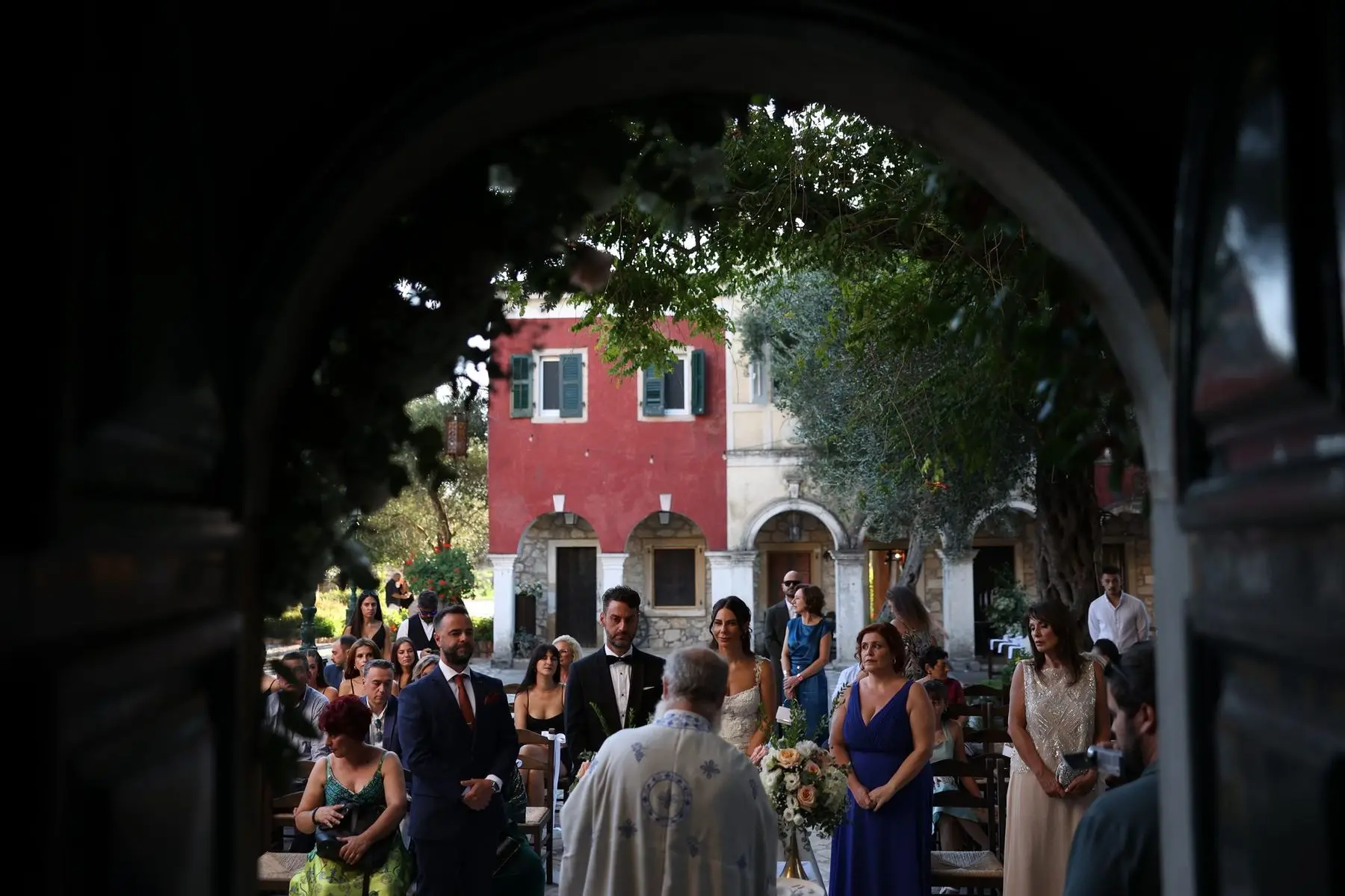
The rehearsal, usually the day before at the ceremony site, is where the running order meets the real space. We walk the processional, time the walk from the chapel to the reception, and decide where the family stands. Twenty minutes there saves an awkward pause in front of a hundred guests.
On the day: from first delivery to last guest
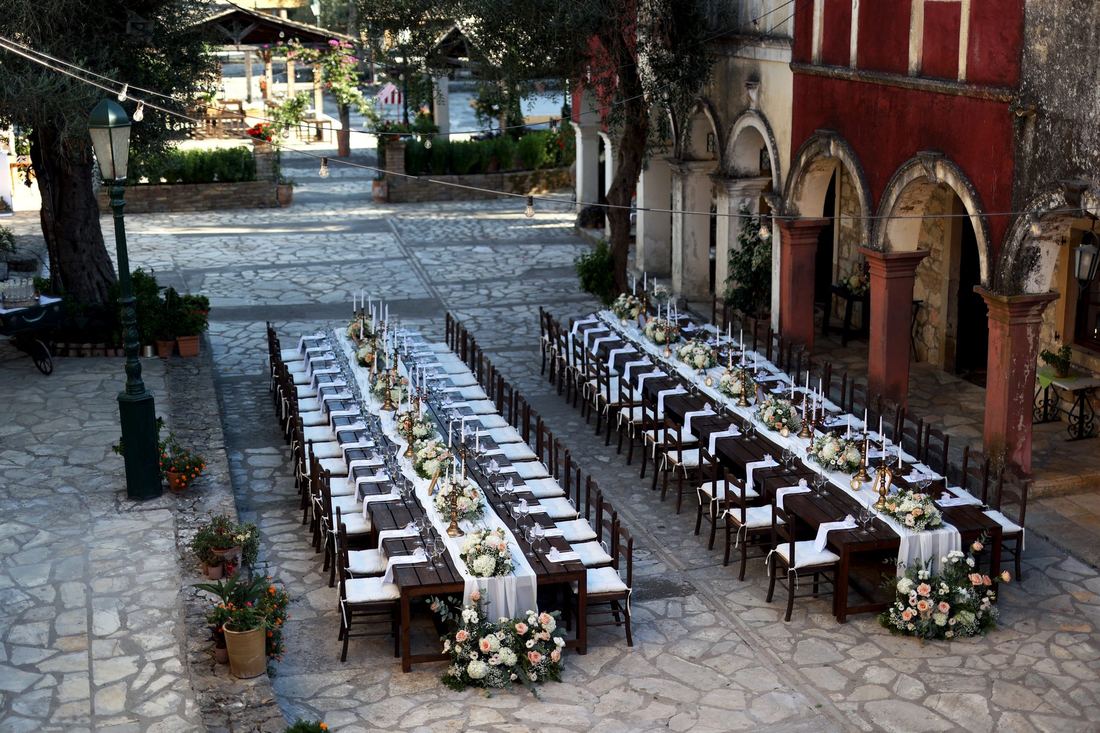
We arrive with the first delivery, not the first guest. Set-up is supervised against the floor plan and the styling you chose — tables counted and dressed, candles placed, stationery where it should be. If something arrives wrong, it is corrected before you see it.
Through the evening we run the cues — the entrance, the first dance, the speeches, the cake — and absorb what inevitably comes up: a late car, a guest who needs a quieter seat, wind on the terrace. We stay until the last supplier has packed down and the last guest has a way home.
“The best thing a couple can say about us afterwards is that they never saw us working.”
When it makes sense — and when it doesn’t
Direction suits couples who enjoyed planning, have good suppliers and clear opinions, and simply do not want to spend their wedding managing it. It suits destination weddings in particular, where the couple flies in a few days before and has met most suppliers only on video calls.
It is less useful if the plan is still largely unmade eight weeks out. Then the problem is not the day, it is the planning, and a fuller service is the honest recommendation. And for a small, simple gathering — a civil ceremony and lunch for twenty — a well-briefed venue manager may be all you need.
What is the difference between a wedding planner and wedding-day direction?
Full planning starts from the first idea and shapes every decision over many months. Wedding-day direction starts from a plan you have already made: we review it, tighten it, brief your suppliers and run the day itself.
How far ahead should we book wedding-day direction?
We usually begin around eight weeks before the wedding. Booking earlier secures the date, which matters in Corfu and Athens between May and September, when weekends fill quickly.
Do you work with the suppliers we have already booked?
Yes — that is the premise of the service. We brief your existing suppliers from one shared running order rather than replacing them, and flag anything in their contracts or timings that may cause a problem on the day.
Is wedding-day direction available outside Corfu and Athens?
Yes. We direct weddings across Greece, including islands and mainland estates. For destination weddings we usually arrive a day or two early to hold the rehearsal and walk the venue with the suppliers.